How to Position Your Office Desk Properly
Your office desk is the core of your workspace, as it shapes your focus, productivity, and overall comfort during long workdays. Creating a functional, pleasant environment is key to staying efficient and calm, and correct desk placement is one of the most effective ways to achieve this.
Placing a desk near windows can enhance your workspace, but it also comes with practical considerations. This guide shares actionable tips to balance aesthetics, functionality, and comfort in your office, ensuring your desk placement works for you, not against you.
s it appropriate to place a desk near windows?
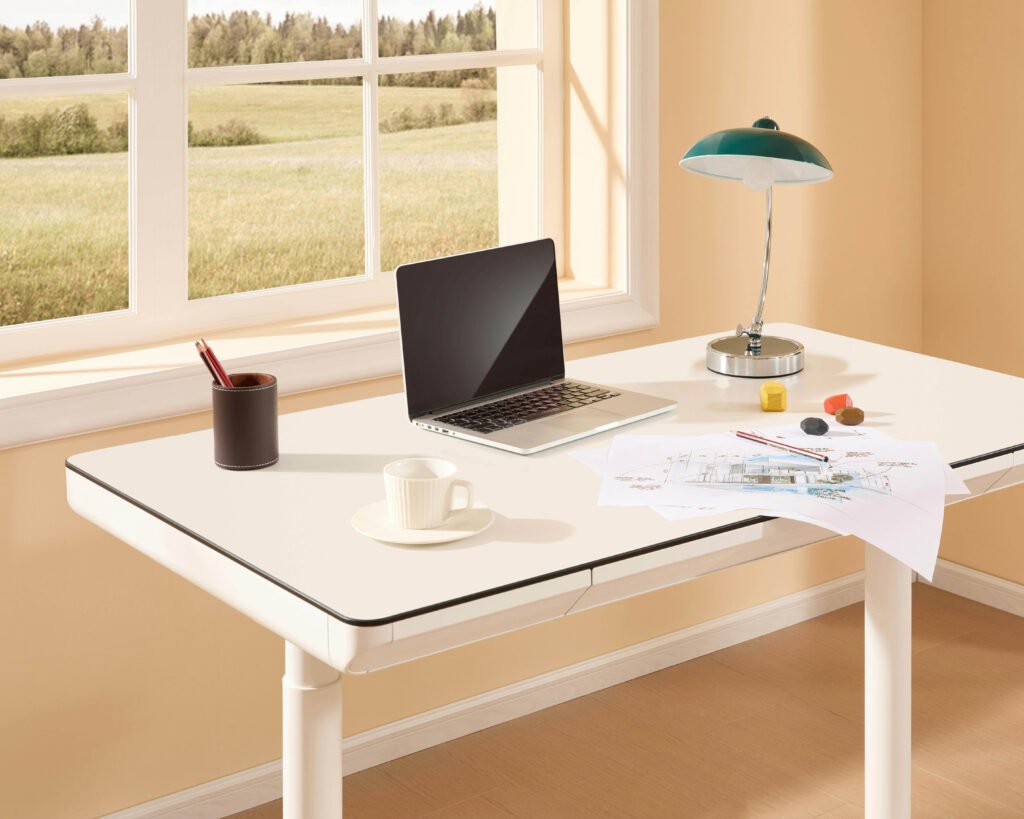
Placing a desk near windows is absolutely workable, especially in spacious offices with good natural light. It offers visual comfort, boosts mood, and creates an open, pleasant working atmosphere—all of which can enhance productivity.
However, there are practical drawbacks to consider. A desk directly facing or backed against windows can lead to glare on screens, overheating from direct sunlight, or distractions from outside activity. Proceed with this layout and use simple adjustments to address these challenges.
Steps to Optimize Your Desk Placement
Use Full-Length Window Coverings
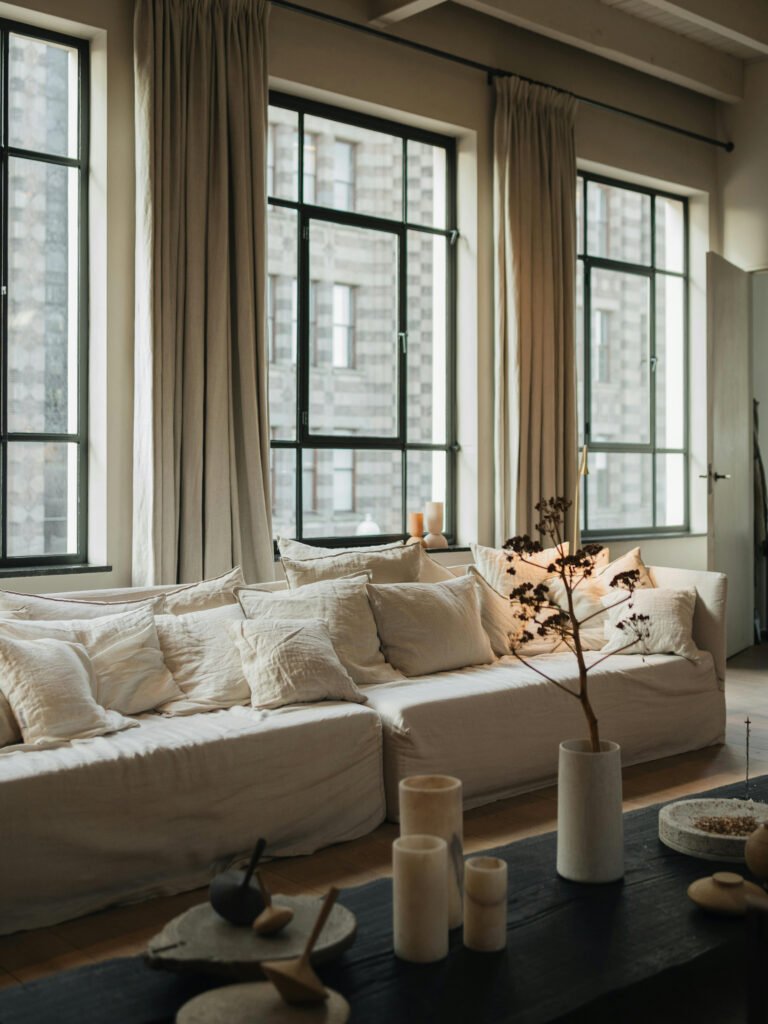
Blinds, blackout curtains, or sheer drapes are essential for controlling light and privacy. Floor-length treatments reduce glare on your computer screen, let you adjust brightness for focused work, and add a polished, professional look to your space. They also help regulate temperature by blocking harsh sunlight.
Add a Solid Desk Partition or High Back Panel
A sturdy desk partition or high-backed chair provides privacy and reduces distractions from behind or outside the window. It creates a sense of enclosure, helping you stay focused on your tasks without feeling exposed. Choose solid, opaque panels for maximum concentration.
Choose a Moderate-Height Desk
A desk of standard height (typically 72-76cm) keeps natural light flowing without blocking the window view. It maintains an airy feel in small offices while keeping your workspace functional—your arms will rest comfortably on the surface, and your legs will have ample room to move. This balance makes your room feel more spacious and reduces eye strain from awkward lighting angles.
Pick Window Styles That Support Comfort
Opt for casement, sliding, or fixed windows that let in soft, diffused light. Avoid overly large or unobstructed windows that create harsh glare or drafts. Well-chosen windows promote a calm, comfortable atmosphere, which is key for long work hours.
Use a Sturdy Desk Frame
A robust wood or metal desk frame ensures stability, preventing wobbling during use. Durable materials are long-lasting and add a professional touch to your workspace, while a stable surface makes tasks like typing, writing, and using equipment easier and more comfortable.
Mind the Office Door Placement
Never align your desk directly with the office door. Position it so you can see the entrance without being in the direct line of foot traffic. This lets you stay aware of movement without being distracted by constant comings and goings, helping you maintain focus.
Blend Window and Wall Finishes
Unify windows with the surrounding walls using matching paint or trim colors. This visually integrates the window into the space, reduces its dominating presence, and creates a cohesive, calm backdrop for your desk—making the entire workspace feel more put-together.
Add Thoughtful Decor Elements
Use desk lamps, wall art, low plants, and organizers to enhance your workspace and reduce any distraction from the window. These elements add personality, keep the space tidy, and create a balanced, pleasant environment that supports productivity.
Balance Natural Light with Multiple Windows
If your layout requires multiple windows near your desk, pair them with light-control coverings. Surrounding your desk with gentle, filtered light creates a bright, uplifting atmosphere while maintaining privacy and preventing glare.
Conclusion
Positioning your desk near windows can be both stylish and functional. With careful adjustments to light, privacy, and layout, you can create a workspace that is comfortable, efficient, and visually appealing—perfect for long workdays and focused productivity.
Ready to transform your office? Use this guide to arrange your desk for success. Explore more workspace organization tips on our blog!
You may enjoy these related articles:
- What Makes the Best Office Desk for Productivity?
- How to Choose the Best Office Desk Size for Your Space
- Is a L-Shaped Desk Suitable for Small Office Layouts?