A school library is the cheapest literacy intervention a school can run—and the fastest one to fail if the furniture is wrong. In South Africa the gap is stark: well-resourced schools in Gauteng and the Western Cape operate busy lending libraries with full shelving systems, while many township and rural schools have a room, a collection of donated books, and no shelving, seating, or issue desk to make them accessible. For principals, governing bodies, and district officials, specifying school library furniture in South Africa means solving three problems at once: load-bearing shelving, comfortable seating that survives heavy use, and security in buildings that are empty for long holidays.
Why Library Furniture Needs Its Own Specification
Library furniture is not classroom furniture with more shelves. It carries loads and creates traffic patterns that ordinary school furniture never faces:
- Shelf load capacity: A 900 mm shelf bay fully loaded with hardback books carries significant weight. Shelving must be rated for the load, not just assembled from board.
- Cantilever versus upright design: Cantilever shelves keep the floor clear and are easier to sweep and monitor; upright bookcases hold more per bay but block sightlines across the room.
- Seating duration: Library sessions run 40–60 minutes. Seating comfort directly determines whether learners return voluntarily.
- Sightlines: A librarian supervising 40 learners needs clear lines of sight. Tall shelving arranged in long corridors of aisles makes supervision impossible.
- Both quiet study and group work: Modern school libraries need silent reading zones and tables for group projects in the same room.
Accessibility is not optional. Wheelchair users need clear aisle width and at least one adjustable-height table, and the specification overlaps heavily with our South African special needs furniture guide (Internal Link).
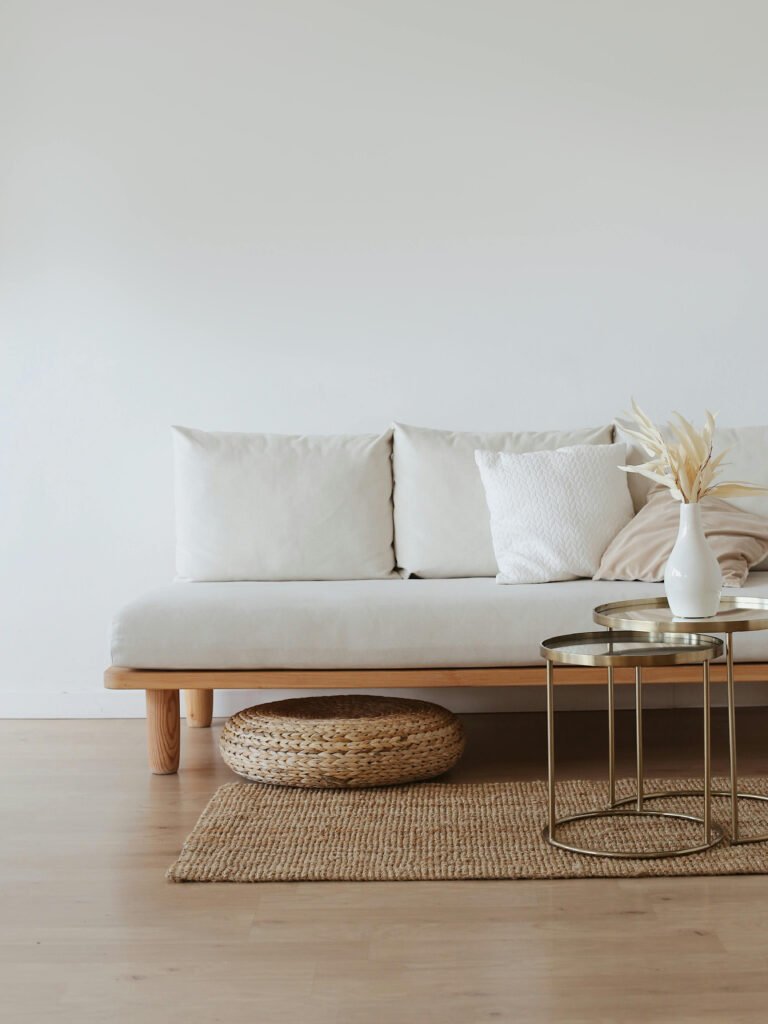
[Image 1: A South African school library with cantilever shelving, reading tables, and clear supervision sightlines]
Alt: school library furniture in South Africa-cantilever shelving reading tables issue desk
Specification Benchmarks
| Feature | Recommended Specification | Why It Matters |
|---|---|---|
| Shelving | Cantilever steel, powder-coated | Load-rated, clear floor, easy to monitor |
| Shelf depth | 250–300 mm | Fits standard hardback and A4 materials |
| Shelf load rating | Minimum 40 kg per shelf | Prevents sagging and collapse |
| Reading table | 900 × 600 mm per learner, HPL top | Room for book, notebook, and device |
| Reading chair | Individual, stackable | Flexibility between quiet and group layouts |
| Issue desk | Lockable, 1,100–1,200 mm high counter | Security for the collection and equipment |
| Display | Lockable glass cabinet | Protects high-value and reference titles |
| Accessibility | Aminimum one adjustable-height table | Inclusive access requirement |
Where libraries also serve as computer rooms or digital hubs, specification should be aligned with computer lab furniture for digital literacy programmes (Internal Link), since cable management and desk depth requirements differ from reading tables.
Planning Shelf Capacity and Seating
Shelf capacity is usually miscalculated. Worked example for a 10 m × 7 m library room:
- Shelf capacity: A single-sided bay holds roughly 5 shelves × 30 books = 150 volumes; a double-sided bay doubles this to 300. Allow 1.0 m of wall per single-sided bay and 1.4 m per double-sided freestanding bay.
- Collection size: 3,000 volumes therefore requires about 10 double-sided bays, or roughly 14 m of freestanding run.
- Seating: Reserve at least 2.5 m² per seated learner to allow chair pull-out and circulation. A 70 m² room with 14 m of shelving leaves roughly 45 m² usable, supporting about 18 seated learners comfortably—not 30.
Schools that plan seating from room dimensions alone almost always over-order tables, then discover there is no aisle left for supervision. Order from the calculation, not the floor plan.
Security, Climate, and Multi-Purpose Realities
Three South African conditions shape library specification more than any other factor:
- Security: School libraries are frequent targets for burglary and vandalism. Lockable display cabinets and an issue desk with a lockable cupboard reduce the loss of high-value stock. Where the library shares a building with learner storage, our South African school lockers guide (Internal Link) covers the same security logic.
- Coastal and humid climates: Libraries in KwaZulu-Natal and coastal Western Cape face persistent damp. Board-based shelving swells and delaminates, and paper collections mould. The mechanism is well documented in our analysis of why school furniture grows mould (Internal Link)—the practical answer in libraries is powder-coated steel shelving rather than chipboard.
- Multi-purpose rooms: Many libraries double as examination or quiet-study venues. Cantilever shelving that keeps the floor clear makes that conversion practical, as set out in our South African exam hall furniture guide (Internal Link).
Seating comfort over long sessions is the same problem solved in classrooms, and our ergonomic classroom furniture analysis for South African schools (Internal Link) applies directly to reading rooms.
Procurement Channels in South Africa
- Provincial education departments: Tendered furniture for public schools, usually tied to infrastructure and library-provisioning cycles.
- Section 21 schools and governing bodies: Self-managed budgets that can procure directly—often the fastest route to a functional library.
- Corporate social investment and donor funding: Mining, banking, and retail CSI programmes frequently fund school library fit-outs, which means the specification must survive donor reporting as well as daily use.
- TVET colleges and universities: Larger reading rooms with formal tender documentation—see our TVET college furniture guide (Internal Link).
Two national bodies shape the environment worth referencing in any funding motivation: the National Library of South Africa (External Link), established under Act 92 of 1998 to collect and preserve published material and make it accessible, and the Library and Information Association of South Africa (External Link), which runs South African Library Week each year and coordinates the library profession nationally.
Price Benchmarks (2026)
Indicative landed ranges:
- Cantilever shelving bay (single-sided, 5 shelves): R2,200 – R4,500
- Reading table (6-seat, HPL top): R3,500 – R6,500
- Reading chair (stackable): R650 – R1,400
- Issue desk with lockable counter: R6,000 – R12,000
- Lockable glass display cabinet: R4,500 – R9,000
- Adjustable-height accessible reading table: R2,800 – R5,000
Volumes above 50 shelving bays typically reduce unit pricing by 15–30%. Local supply is competitive—our overview of South African school furniture manufacturers (Internal Link) is a useful pricing and B-BBEE benchmark.
Supplier Vetting Checklist
- Shelf load rating in writing: Ask for the rated load per shelf, not just the shelf thickness.
- Frame rigidity: Test lateral movement on fully loaded bays—this is where cheap shelving fails first.
- Edge and surface finish: Powder coating should be uniform; bare edges rust within a single coastal winter.
- Adjustability: Shelf heights must be repositionable to accommodate oversized reference material.
- Documented references: Ask for schools or colleges operating the same shelving with comparable stock volumes.
For the complete sourcing chain, see our Africa import framework (Internal Link) and the flat-pack versus pre-assembled shipping comparison (Internal Link), which matters more for shelving than for any other furniture category. Comparable library projects in the region are documented in our Nigeria (Internal Link), Ghana (Internal Link), and Uganda (Internal Link) guides.
Conclusion
A school library succeeds or fails on whether a learner can find a book, sit down comfortably, and be supervised while doing it. Load-rated cantilever shelving, correctly calculated seating, and lockable storage for high-value stock turn a room of donated books into a working library—and do it with furniture that survives coastal damp, holiday vandalism, and a decade of daily use.
Interactive Question:
Are you equipping a school library in South Africa? What has been the biggest obstacle: funding a full shelving system, securing the room against burglary during holidays, or stopping damp from destroying both the shelving and the collection? Share your experience below!