
How to Choose the Right Office Chair for Yourself
If you spend 8+ hours a day at a desk, your office chair is an investment in comfort, posture, and long-term health. A poor chair causes back pain and reduced productivity, while the right one supports your body and keeps you focused. This guide breaks down key factors to find a chair that fits your body, work style, and space.
With countless options—from basic task chairs to high-end ergonomic models—focusing on essentials helps you narrow choices without overspending or compromising quality.
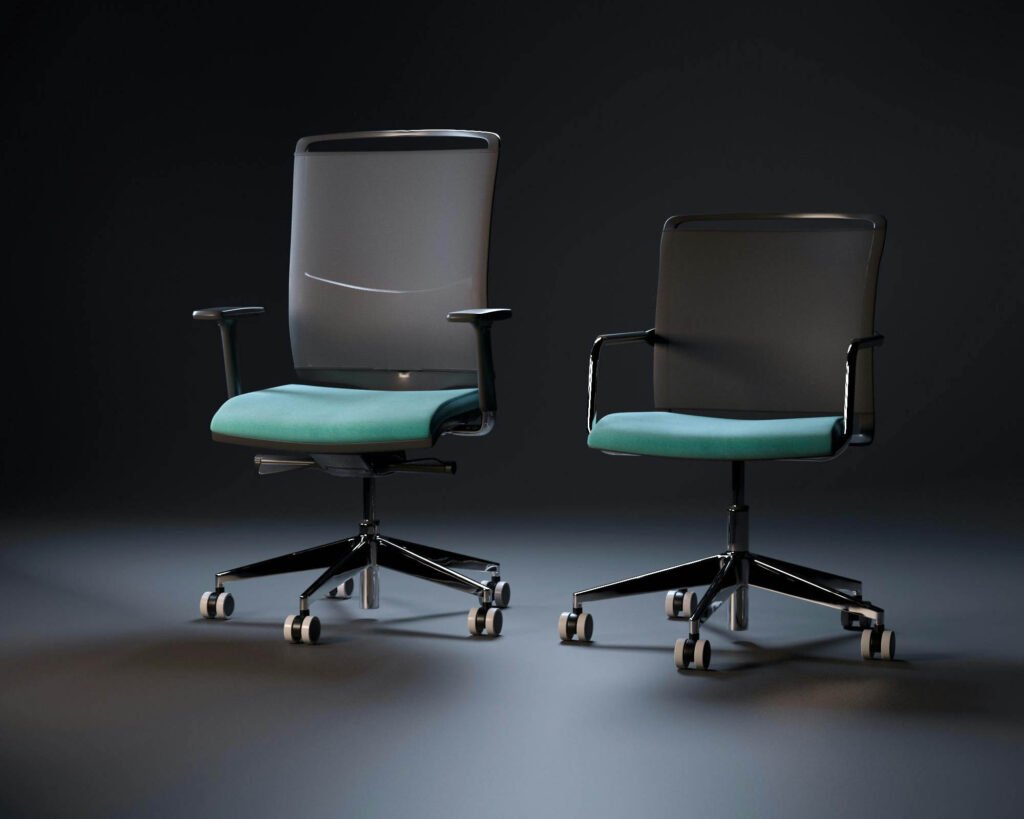
Is There a “One-Size-Fits-All” Office Chair?
No. Office chairs need to fit your body type: a chair for tall users may discomfort petites, and occasional-use chairs won’t hold up for daily 9-to-5 sitting. The best chair adapts to your unique needs, but universal features boost comfort for everyone.
Key Factors to Consider When Choosing an Office Chair
1. Prioritize Ergonomic Support
Ergonomics supports your body’s natural alignment. Look for spinal support that follows your spine’s S-curve, especially lumbar and thoracic areas. Adjustable lumbar support (height and depth) prevents slouching, while a tall, contoured backrest relieves neck and shoulder tension.
2. Adjustability for a Custom Fit
Your chair should adjust to your body: seat height (feet flat, knees 90°), seat depth (supports thighs without pressing knees), and adjustable armrests (4D/360° rotating to reduce shoulder/wrist strain). A recline function with tension control helps you rest comfortably.
3. Choose the Right Seat and Backrest Material
Material impacts comfort and durability: Mesh is breathable and ideal for daily use; high-density foam offers soft cushioning; leather/faux leather is professional and easy to clean but less breathable. Prioritize breathability for long work hours.
4. Match the Chair to Your Body Type
Petite users (under 5’4”): 15-17 inch seat depth, adjustable height, narrow backrest. Tall users (over 6’1”): 19+ inch seat depth, high backrest with head support, adjustable lumbar. Heavier users: sturdy frame and weight capacity exceeding your body weight.
5. Consider Your Workspace Size
Small offices: Compact task chairs with slim profiles. Larger offices: Spacious ergonomic chairs with extra features. Opt for a 5-point base swivel chair for stability, ensuring it fits without blocking walkways.
6. Durability and Build Quality
Invest in a sturdy frame (metal/high-quality plastic), durable upholstery, and scratch-free casters. High-density foam/mesh lasts longer; 5-point base prevents tipping. Check reviews and 1-5 year warranties for quality assurance.
7. Comfort for Your Work Style
Typists: Prioritize adjustable armrests and lumbar support. Call/read often: Recline function and headrest. Frequent movers: Smooth casters. Shared spaces: Professional aesthetic.
8. Budget Considerations
Chairs range from $100-$1,000+. Mid-range ($200-$500) balances quality and affordability. Avoid under $100—they lack support and wear out quickly.
Common Mistakes to Avoid
• Style over comfort: A sleek chair without support causes long-term discomfort. • Ignoring adjustability: Non-adjustable chairs never fit well. • Overlooking breathability: Unbreathable materials cause sweating. • Not testing: Sit 5-10 minutes to check comfort.
Conclusion
Choose a chair that prioritizes ergonomics, adjustability, fit, and material—it’s an investment in your health. Use this guide to find a chair that keeps you comfortable and productive.
Ready to find your ideal office chair? Explore more workspace comfort tips on our blog!
You may enjoy these related articles:
- What Features Make an Office Chair Ergonomic?
- How to Choose the Right Office Chair Height for Your Desk
- Is a Mesh Office Chair Suitable for Long Work Hours?