Collaborative Learning Spaces: Redefining Engagement in Modern Education
What Are Collaborative Learning Spaces, and Why Do They Matter?
Across schools, universities, and training environments worldwide, collaborative learning spaces have emerged as a transformative force in modern education. Unlike traditional, teacher-centered classrooms, these dynamic environments are crafted to prioritize active participation, teamwork, and creative thinking—empowering learners to take charge of their education. This guide explores the core of collaborative learning spaces, their key characteristics, and how they’re shaping the future of teaching and learning.
Defining Collaborative Learning Spaces
Collaborative learning spaces are flexible, student-focused environments designed to facilitate interactive, group-based learning. They move beyond the rigid rows of traditional lecture halls, instead creating spaces where students can easily work together, share ideas, and solve problems as a team. The core goal? To shift learning from a passive, listening experience to an active, collaborative journey.
Core Features of Effective Collaborative Learning Spaces
What sets collaborative learning spaces apart from traditional classrooms? These key features work together to foster engagement and collaboration:
1. Adaptable, Flexible Furniture
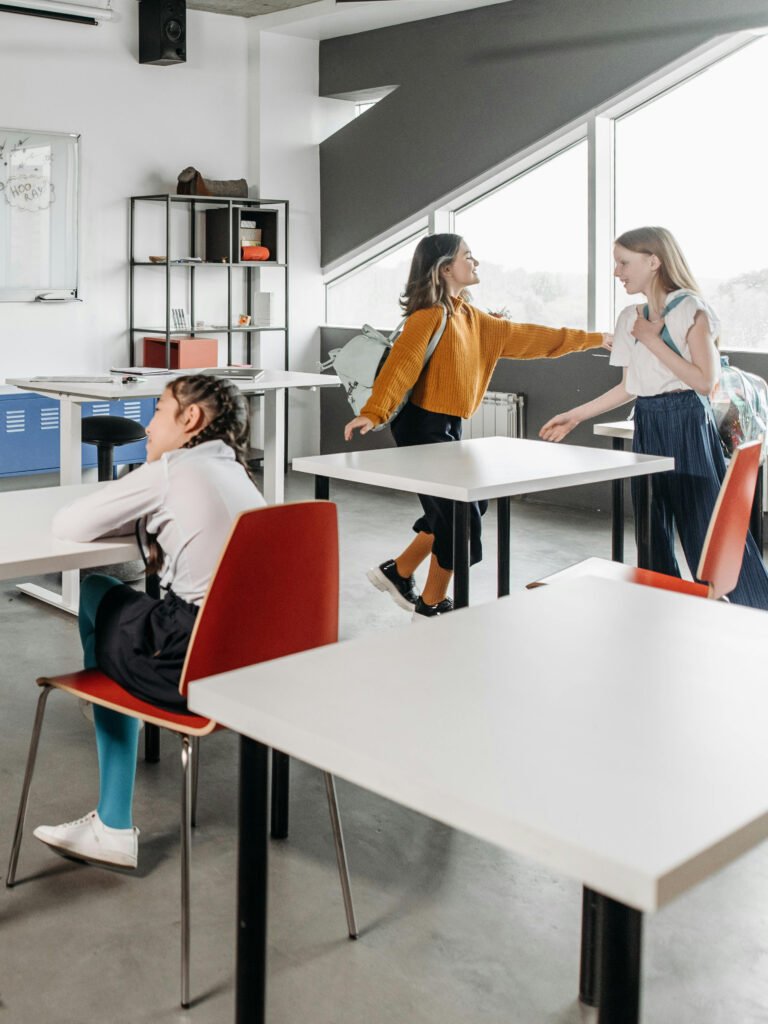
The foundation of any collaborative space is flexible furniture that can be rearranged in minutes to suit different activities. Think movable tables that can be pushed together for large group projects, modular seating that encourages small-group discussions, or lightweight chairs that let students shift positions easily. This adaptability ensures the space can evolve with the day’s lessons—whether it’s a brainstorming session, a hands-on project, or a peer review.
2. Seamless Technology Integration
Technology is a cornerstone of collaborative learning, enabling seamless information sharing and interactive engagement. These spaces are equipped with tools like interactive whiteboards for real-time collaboration, high-quality audio-visual systems for presentations, and reliable wireless connectivity to keep devices connected. Many also include charging stations and shared digital tools, ensuring students can focus on learning—not technical hurdles.
3. Warm, Inviting Atmospheres
Collaboration thrives in environments where students feel comfortable speaking up. Unlike the formal, rigid feel of traditional classrooms, collaborative spaces often feature soft lighting, neutral color palettes, and even cozy seating options (like bean bags or lounge chairs). This relaxed vibe reduces anxiety, encouraging students to share their thoughts, ask questions, and take risks without fear of judgment.
4. Student-Led Learning Focus
The biggest shift in collaborative learning spaces is the move from teacher-led instruction to student-centered learning. Here, educators act as guides rather than lecturers, supporting students as they explore topics, work in groups, and drive their own learning. Students take ownership of their education, collaborating to solve problems, explore ideas, and deepen their understanding of key concepts.
The Impact: Key Benefits of Collaborative Learning Spaces
The design of these spaces isn’t just about aesthetics—it delivers tangible benefits for learners of all ages:
1. Increased Student Engagement
Gone are the days of passive note-taking. Collaborative spaces encourage active participation: students discuss ideas, contribute to group projects, and debate concepts, making learning more meaningful and memorable. When students are actively involved, they’re more likely to retain information and develop a love for learning.
2. Stronger Communication & Teamwork Skills
Working in groups helps students build essential communication skills—articulating their ideas clearly, listening actively to peers, and compromising to reach shared goals. These skills aren’t just valuable in the classroom; they’re critical for success in college, careers, and everyday life.
3. Sparked Creativity & Critical Thinking
Collaborative environments foster creativity by bringing together diverse perspectives. When students work with peers who think differently, they’re challenged to think critically, explore new solutions, and step outside their comfort zones. This leads to more innovative ideas and a deeper understanding of complex topics.
4. More Inclusive Learning Experiences
Collaborative spaces celebrate diversity by giving students of all backgrounds, learning styles, and abilities a voice. Whether a student is quiet, visual, or hands-on, they can contribute in ways that align with their strengths. This inclusivity helps every learner feel valued and supported.
Where Collaborative Learning Spaces Thrive
The power of collaborative learning spaces extends beyond K-12 schools and universities—they’re transforming learning in a variety of settings:
1. Schools & Universities
In educational institutions, these spaces are perfect for project-based learning, group discussions, and interactive workshops. They’re especially effective in subjects like science, art, and social studies, where collaboration and hands-on exploration are key.
2. Corporate Training & Workplaces
Businesses are using collaborative spaces for employee training, team-building exercises, and brainstorming sessions. These environments encourage employees to share ideas, collaborate on projects, and develop new skills—driving innovation and productivity.
3. Community Learning Centers
Community centers use collaborative spaces to offer skill-building workshops, adult education classes, and group projects. They bring people together, fostering connection while helping individuals learn new skills and pursue personal growth.
Embrace the Future of Learning with Collaborative Spaces
Collaborative learning spaces aren’t just a trend—they’re a fundamental shift in how we approach education and training. By creating environments that prioritize collaboration, engagement, and student agency, we’re preparing learners to thrive in a connected, team-focused world.
Whether you’re an educator looking to transform your classroom, a corporate trainer seeking to boost team performance, or a community leader aiming to foster lifelong learning, collaborative spaces offer endless possibilities. Step into the future of learning—embrace collaborative spaces today.